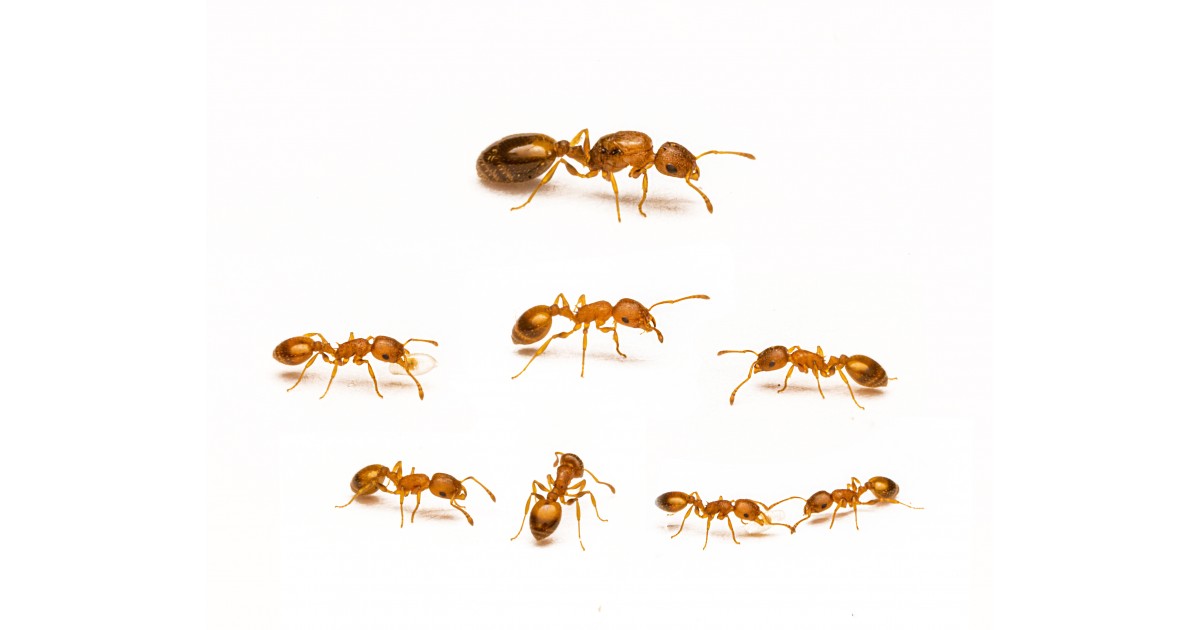
Attention: Only one colony or queen and only one species per order or ant farm will be sent, so please choose carefully which one you want. We don't charge for the ants; they are FREE. You only pay for shipping.
The ants are delivered in a test tube with enough food and water for two weeks. They were born in this tube and are thriving.
Raising difficulty: Very easy.
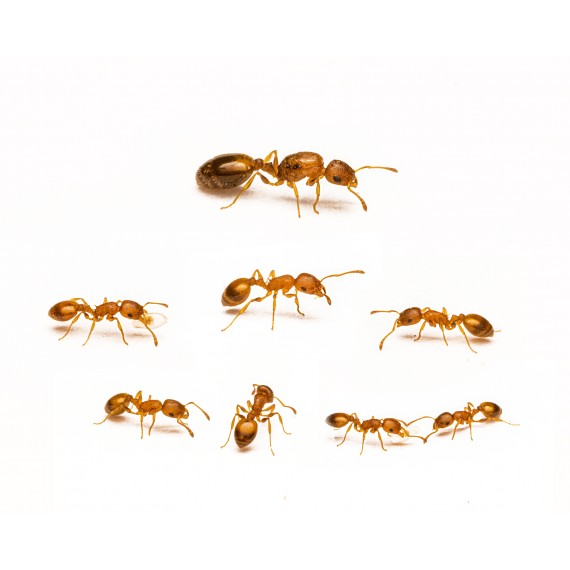
The colony consists of the queen and 5 to 10 workers (her daughters), plus the brood of eggs, larvae, and pupae.
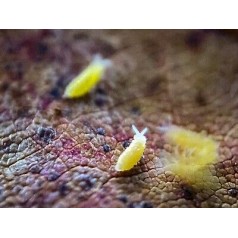
Instructions for raising Temnothorax pardoi (small yellow ant):
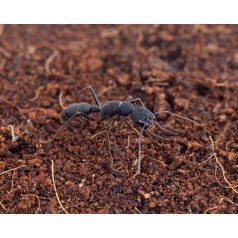
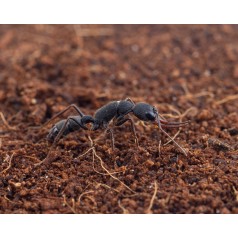
Temnothorax Unifasciatus is a fascinating ant species belonging to the subfamily Myrmicinae. It is known for its tiny size and peaceful nature, making it an ideal, low-maintenance pet (micromyrmecophily) suitable for beginners.
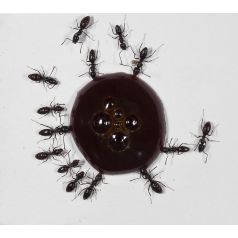
Once the ant colony arrives, the first thing to do is feed them (sugar water and sugar substitutes, if possible). If there are too many ants, it's best to introduce them directly into the nest. To feed them inside the test tube, we'll use a syringe. Insert the syringe needle through the cotton plug and add a tiny drop. It shouldn't be too large, as the ants could drown. Once they've drunk, remove any excess using a cotton swab (be careful not to remove the plug, as they could escape).
We can keep the ants in the test tube used for transport as long as there is a water supply. If we leave them in the tube, we should feed them at least twice a week. To introduce the ants into the nest, there are two methods: the manual method, by pouring the contents of the test tube into the nest and gently knocking the ants out; or by placing the tube directly into the nest/foraging area and waiting for them to move in on their own. The latter requires a lot of patience and can take days or weeks.
General details:
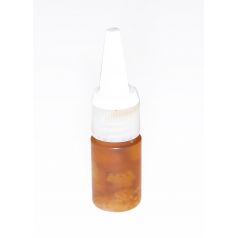
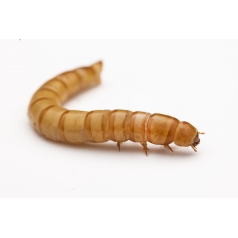
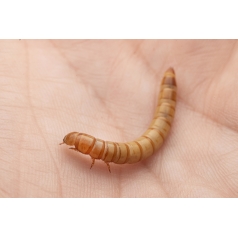
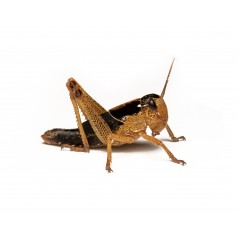
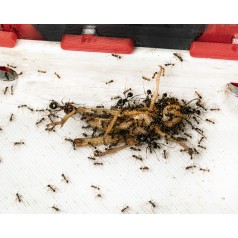
For their diet, a liquid diet is best, such as the nutrient syrup from anthouse.es, honey with milk, and some freshly killed insects (flies, crickets, silverfish, mealworms, etc.) to provide them with plenty of protein. It is VERY IMPORTANT that there is always a source of water (especially in summer), either through waterers, gel water, or by drinking directly from the humidity system (soil), the liquid food they consume, etc.
Sizes:
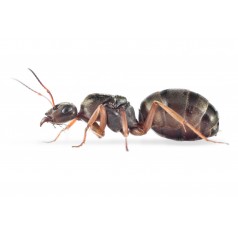
Queen: 3-5 mm
Workers: 1-2 mm