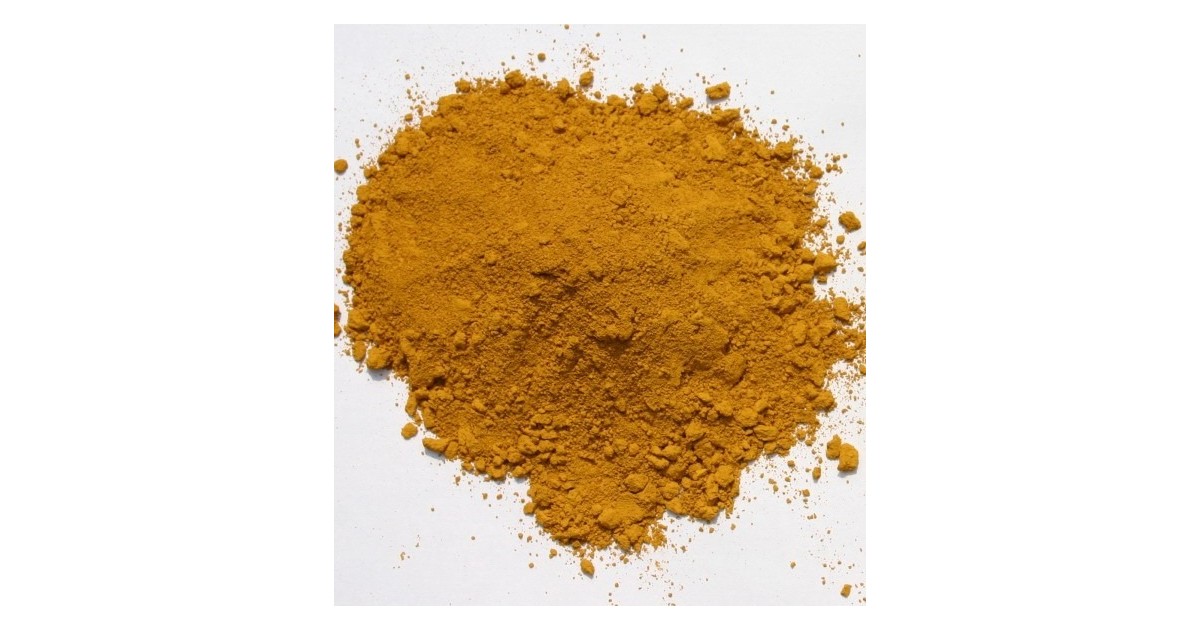
100g Yellow Pigment
€3.49
Tax included
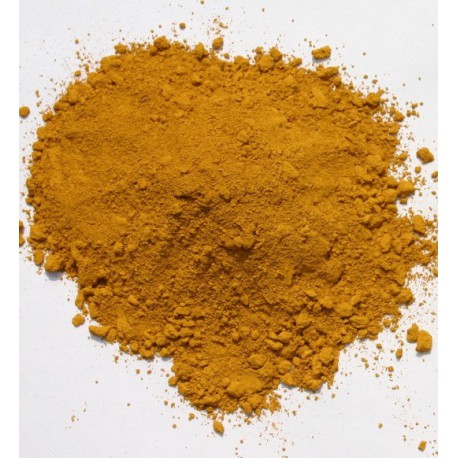
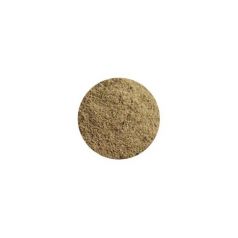
Yellow pigment, non-toxic and natural. It can be mixed with sand, plaster, etc ... to give a nice yellow tone to your ants nest.
100g of this product are valid on 500-1000 g/ml of sand/liquid plaster.
Yellow pigment, non-toxic and natural. It can be mixed with sand, plaster, etc ... to give a nice yellow tone to your ants nest.
100g of this product are valid on 500-1000 g/ml of sand/liquid plaster.
Customers who bought this product also bought:
Acrylic
€7.05
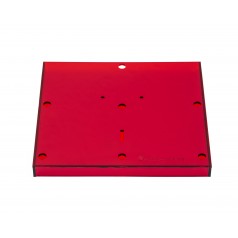
Cap in Transparent Red Acrylic. Used so that the ants do not detect the ultraviolet light, so do not be frightened by the red light and we can observe them with tranquility
Accesorios Qbiks
€1.24
It helps the ants not to be scared by the blows and strong vibrations that the furniture, shelves or shelves where it is placed may have, such as when opening a drawer, etc.. with which the ants will be calmer.
Other accessories
€7.49
Professional ant aspirator, a very useful tool to transport them without touching and damaging...
Home
€2.99
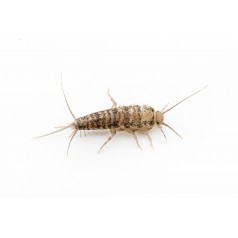
Complete and natural food for your Ants! We offer rations of 50-60 Silverfish (Thermobia domestica), rich in high-quality proteins.
QBIKS Ant's Nests Modular 3D
€1.49
Support for qbik foraging boxes, very useful to have more space available in the box, you can put all our drinkers, feeders and feeding trays.
Home
€3.49
Dragon Sand, a perfect substrate as an earthy base for foraging, its pebbles are used by ants to get a better grip and walk with good support.
Materials
€4.49
Clay for mixture of 80% sand and 20% clay, which helps the galleries to not collapse.
Sieved and without any organic trace to prevent diseases.
Food
€1.49
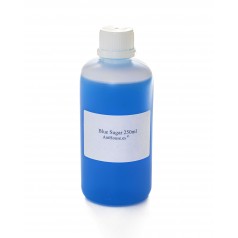
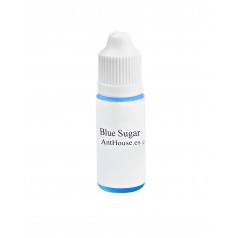
Description: New blue nectar, successfully tested in many species together with our 3D drinkers as an inseparable couple.
The Nectar Blue Sugar is an ideal complement for our ants to have all the energy they need, it will not go unnoticed, they will immediately drink it quite Avidly.
Do not forget that ants also need protein for the growth of the larvae.
Free Ants
€0.00
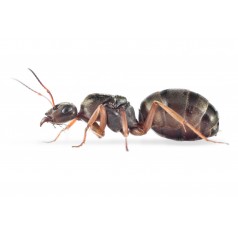
The colony is formed by the queen, 5-10 workers (its children) and eggs, larvae and cocoons.
Instructions about the breeding of Formica cinerea...