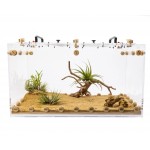
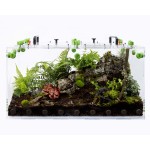
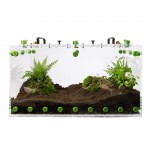
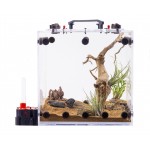
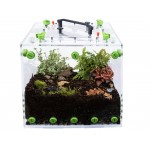
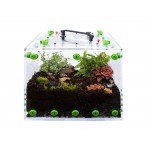
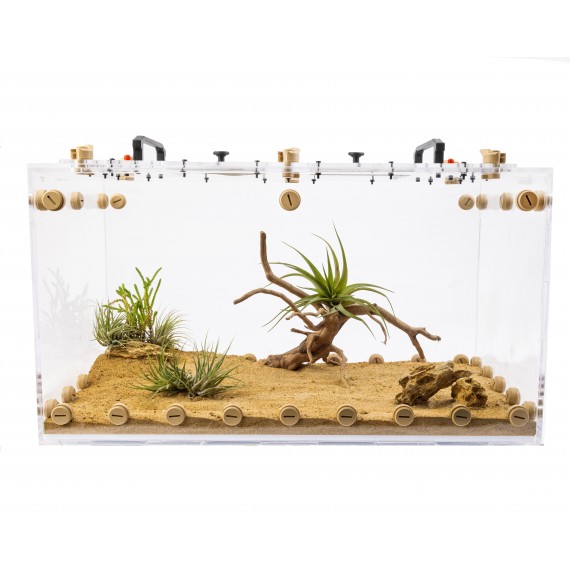
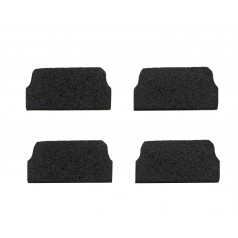
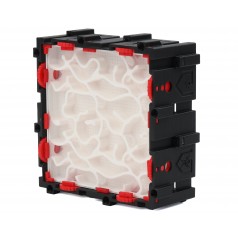
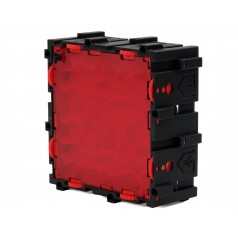
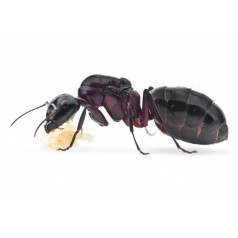
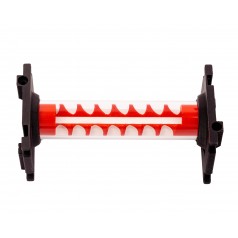
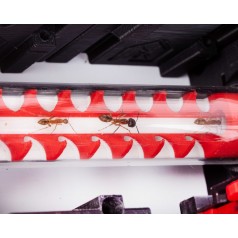
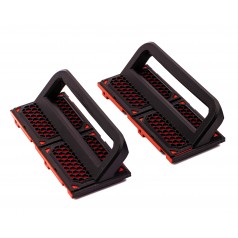
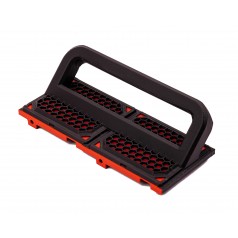
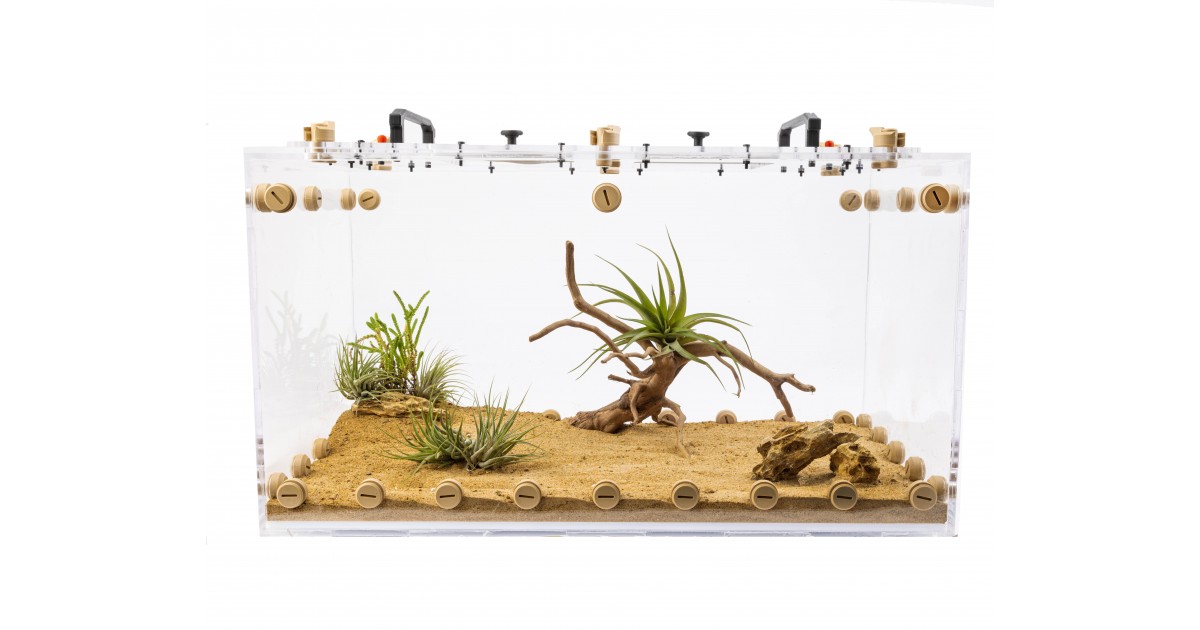
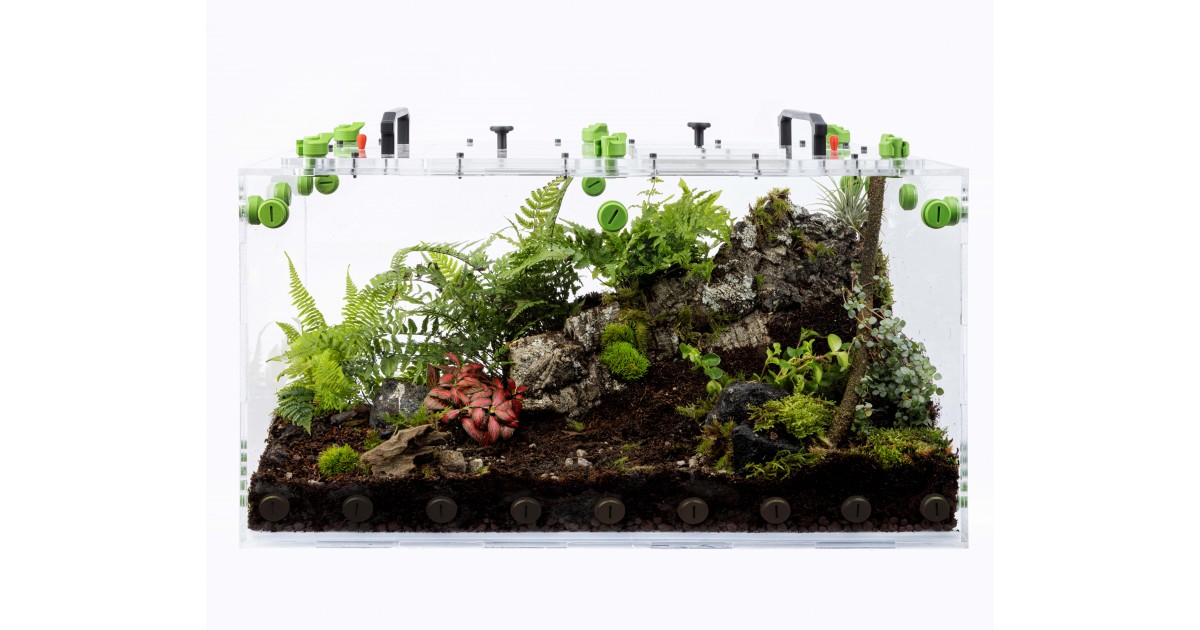
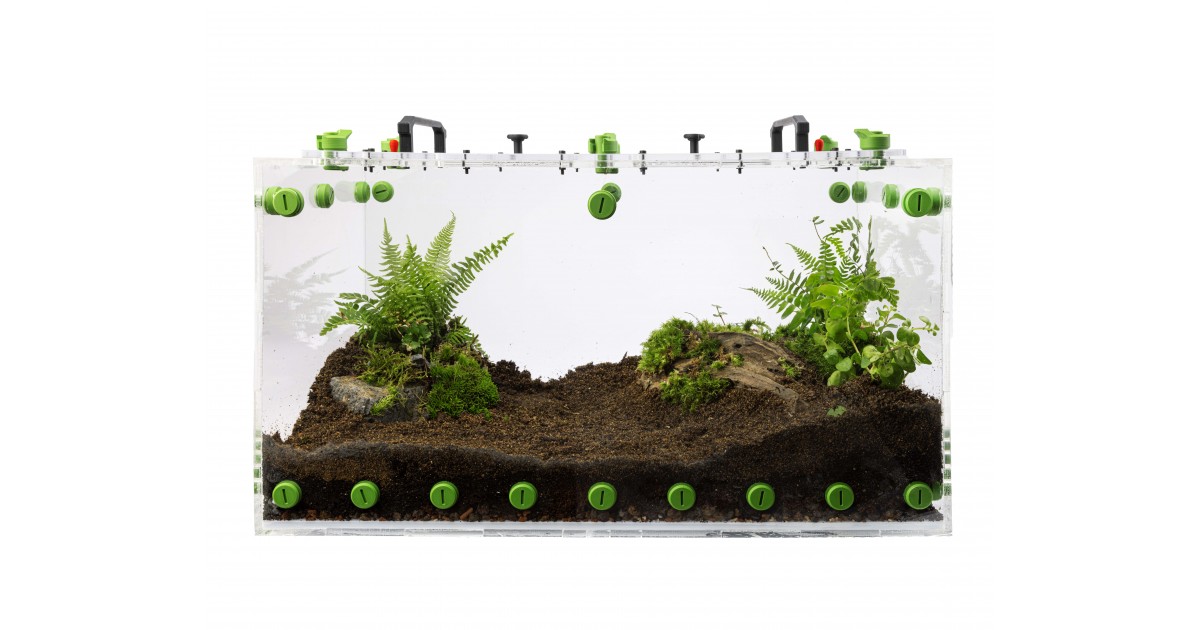
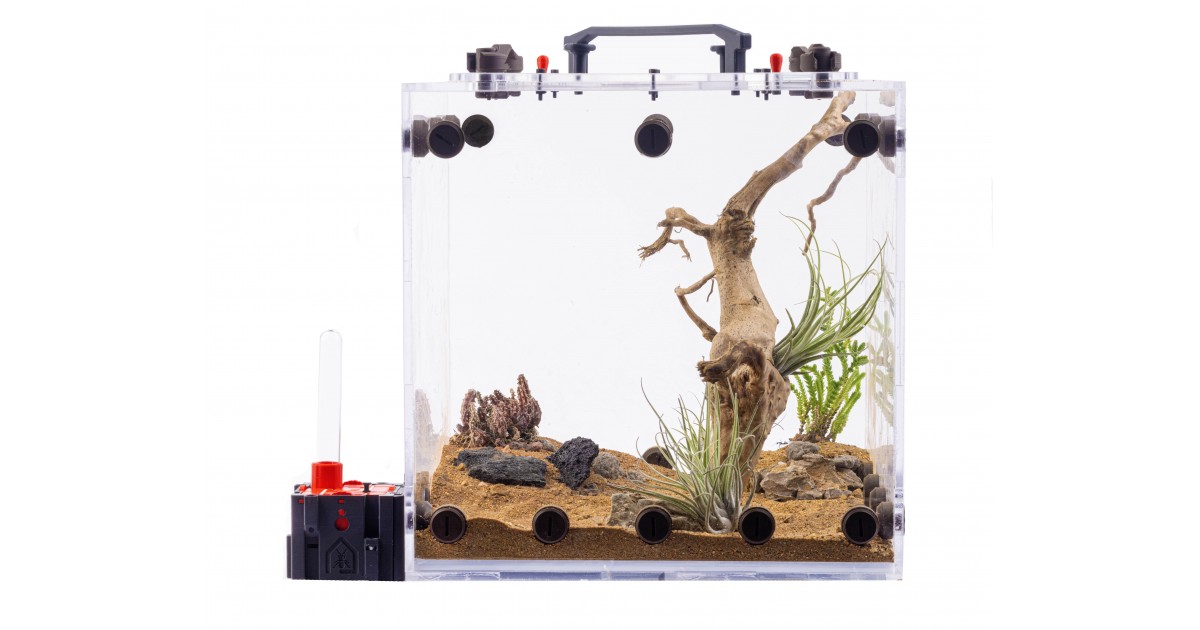
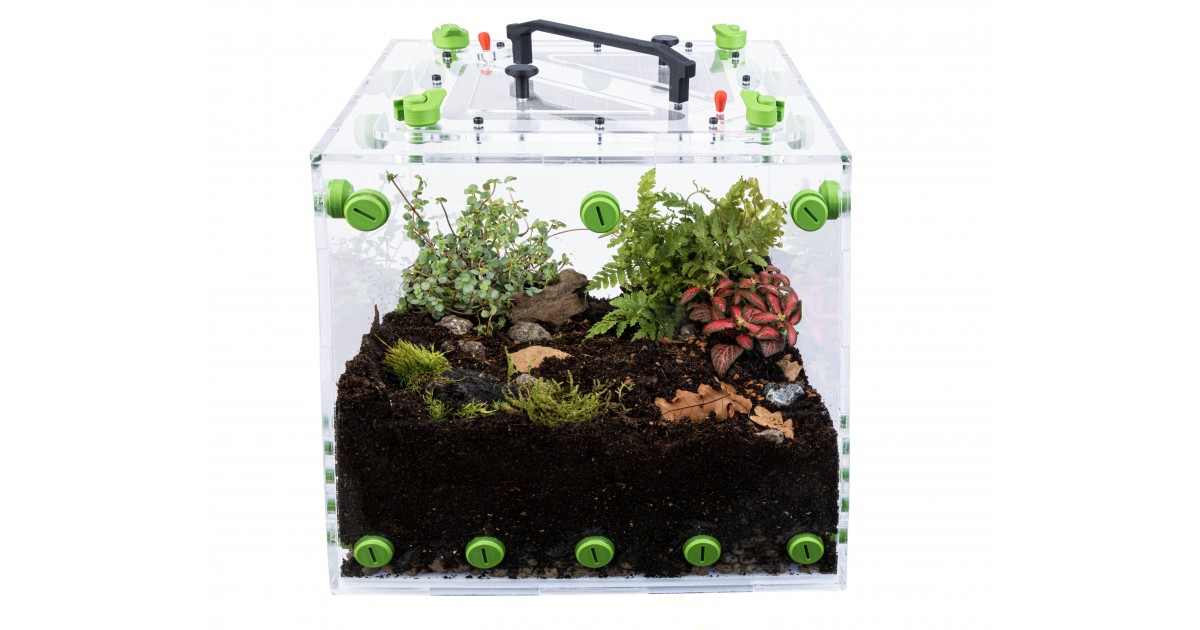
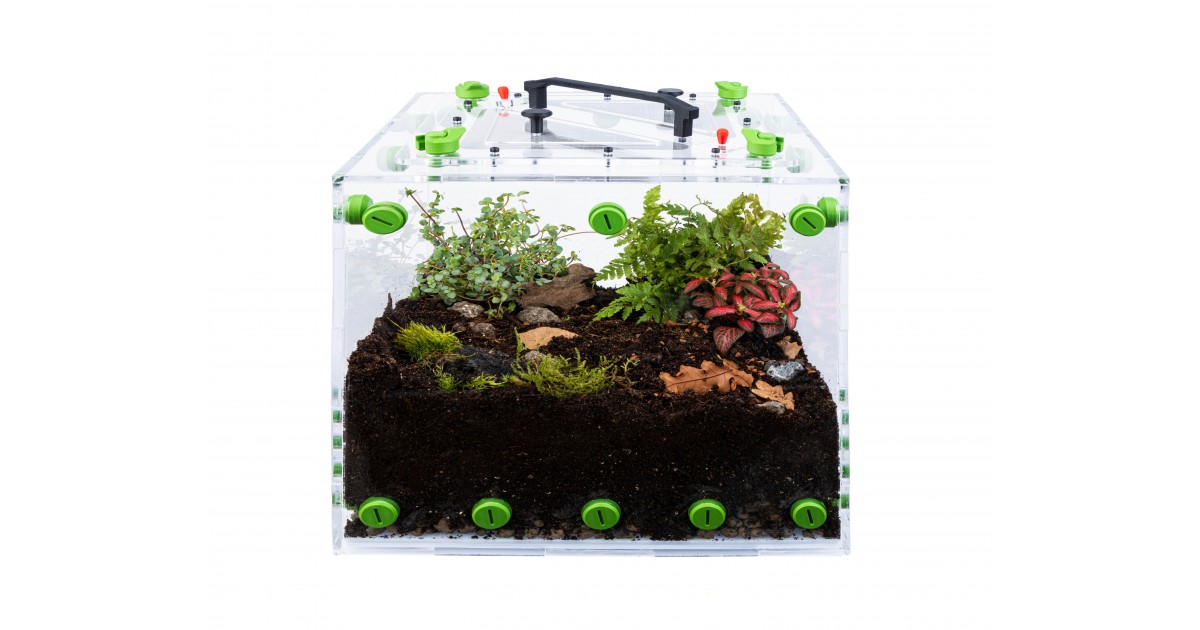
Qbik GAIA Biome Packs provide the ideal foundation for creating a bioactive terrarium, supplying the necessary materials to structure a functional multi-layered system. These packs do not include live fauna or flora, only inert materials—organic and inorganic—prepared to act as a stable and durable support.
Each pack allows you to assemble a configuration with the following layers:
Drainage and oxygenation layer: made of porous mineral material that facilitates the evacuation of excess water and ensures aeration in the root zone.
Combined substrate layer: a balanced mixture of mineral and organic components, designed to offer moisture retention, structural stability, and optimal conditions for plant growth.
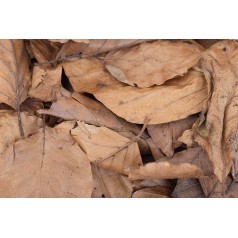
Organic layer: composed of dry and decomposed plant elements that simulate natural leaf litter, providing matter for microbial activity and promoting long-term bioactive dynamics.
The filtration layer with bioactive carbon is considered optional and is not included in the pack. It must be purchased separately if an additional level of purification and compound control is desired.
Recommendation: To complete the system's operation, it is advisable to add bioactive fauna and flora that utilize and enrich the organic layer, thus promoting nutrient recycling and ecosystem stability.
Substrate Guide for Ant Habitats: Choose Your Perfect Biome
Biome Main Habitat/Context Suggested Species (e.g.) Main Substrate (Key Layers) Soil/Ambient Moisture Est. Soil pH Recommended Vegetation Decorative Elements (e.g.)
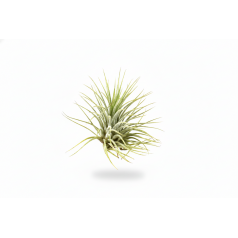
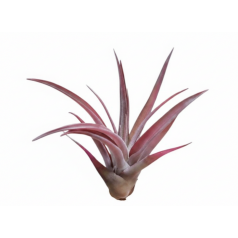
1. Arid/Semi-desert Open, dry, high sunlight, shallow soil. Desert Cataglyphis, Camponotus, Myrmecia. Drainage (Clay/Gravel), Filtered (Charcoal), Dragon Sand (50%) + Colorado Sand (20%) 0–10% / 10–25% 7.5–8.5 Succulents, Tillandsias, Stones, gravel, dry logs, twigs.
2. Mediterranean Forest: Marked seasons, moderate soils, warm summers. Crematogaster scutellaris, Aphaenogaster, Pheidole, Tetramorium. Drainage (Clay/Gravel), Filtered (Charcoal), Dragon Sand (45%) + Wild Soil (20%), Leaves/Bark. 30–40% / 30–50% 6.0–7.5 Succulents, Stones, dry logs, branches, cork, dry leaves.
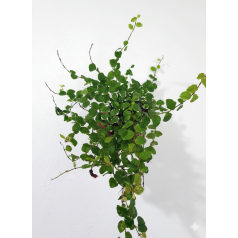
3. Tropical Rainforest: Dense, high humidity, organic-rich soils, undergrowth. Ponder ants, Myrmecia (Australian rainforests). Drainage (Perlite/Vermiculite/Clay), Filtered (Charcoal), Jungle Soil (30%) + Wild Soil (20%), Leaves/Spagnum. 70–85% / 80–95% 5.5–6.5 Pilea, Ficus pumila, Fittonia, Ferns. Fallen logs, roots, leaves, moist bark.
4. Tropical Steppes: Open, shallow soils, sparse vegetation, dry/humid. Carebara spp., Pheidole tropicalis. Drainage (Clay/Gravel), Filtered (Charcoal), Dragon Sand (30%) + Desert Sand (30%). Variable / 30–60% 7.0–8.0 Sparse or nonexistent (only inert elements). Stones, dry branches, dry leaves, hard bark.
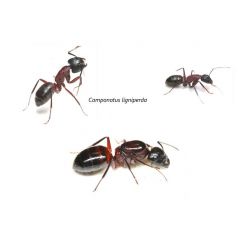
5. Deciduous Forest: Marked seasonality, dry/humid zones, rich soils, leaf litter. Camponotus ligniperda, C. vagus, Myrmicas, Formica sanguinea. Drainage (Perlite/Vermiculite/Clay), Filter (Charcoal), Wild Soil (30%) + Jungle Soil (25%), Leaves/Bark. 40–60% / 50–70% 5.5–6.5 Ferns. Trunks, dead branches, dry leaves, loose bark.
6. Palearctic Mixed Forest. Conifers + deciduous trees, rich soils, needles, leaf litter. Camponotus herculeanus, Myrmicas, Temnothorax, Formicas. Drainage (Perlite/Vermiculite/Clay), Filter (Charcoal), Wild Soil (30%) + Jungle Soil (25%), Leaves/Needles. 40–65% / 50–75% 5.5–6.5 Ferns, Mosses,