Colorado Sand 500gr
€3.49
Tax included
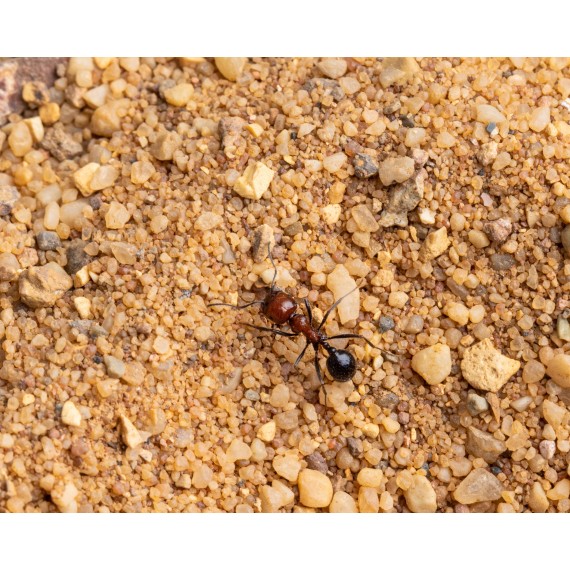
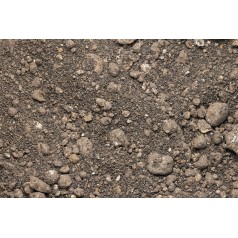
A mixed substrate ideal for species that need a solid base to move quickly, although it can be used wet, the ideal is to leave it dry for native species, an ideal substrate to help the larvae spin.
181 Items
Customers who bought this product also bought:
We ship ONLY 1 COLONY or queen and ONLY 1 SPECIES per order or ant's nest, so you must choose correctly the one you want. We do not charge for the ants. They are FREE. You only have to pay for the shipping costs.
Free Ants
€0.00
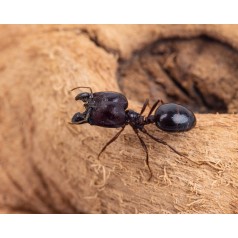
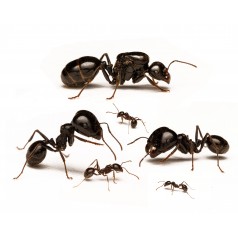
The colony is formed by the queen, 3-5 workers (its children) and eggs, larvae and cocoons.
Instructions about the breeding of Camponotus...
Other accessories
€0.89
Different sizes. Used to connect the ant-nests and foraging boxes...
€3.49
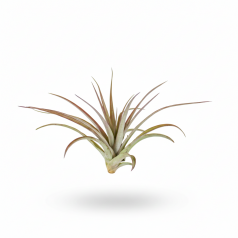
The Tillandsia Multiflora red is a plant that looks a lot like the Tillandsia Abdita and therefore just as colorful. However, the reddish leaves are smoother and less soft. In the flowering stage the multiflora could produce one or more purplish flowers from the heart.
Home
€3.49
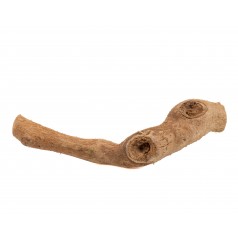
8-10cm branches, ideal for small and large foraging areas, of different thicknesses and sizes, large, medium and small.
Ants nests Kits
€44.99
€49.99
Description:
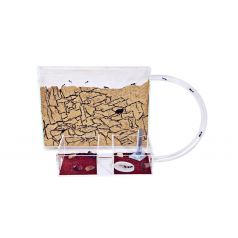
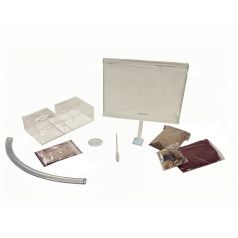
The Anthouse Sandwich-Acri/Medium Kit is an acrylic sandwich with a foraging box. The sandwich is connected through a tube with the foraging box, that is used to put the food...
Free Ants
€0.00
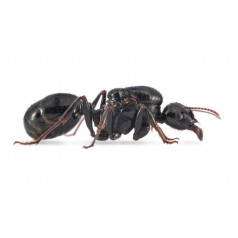
The queen usually takes three months on average to put their first egg. The new ants are born in early September-October and late December we find the first queens with some eggs....
Home
€3.49
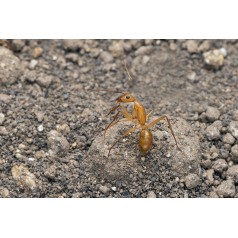
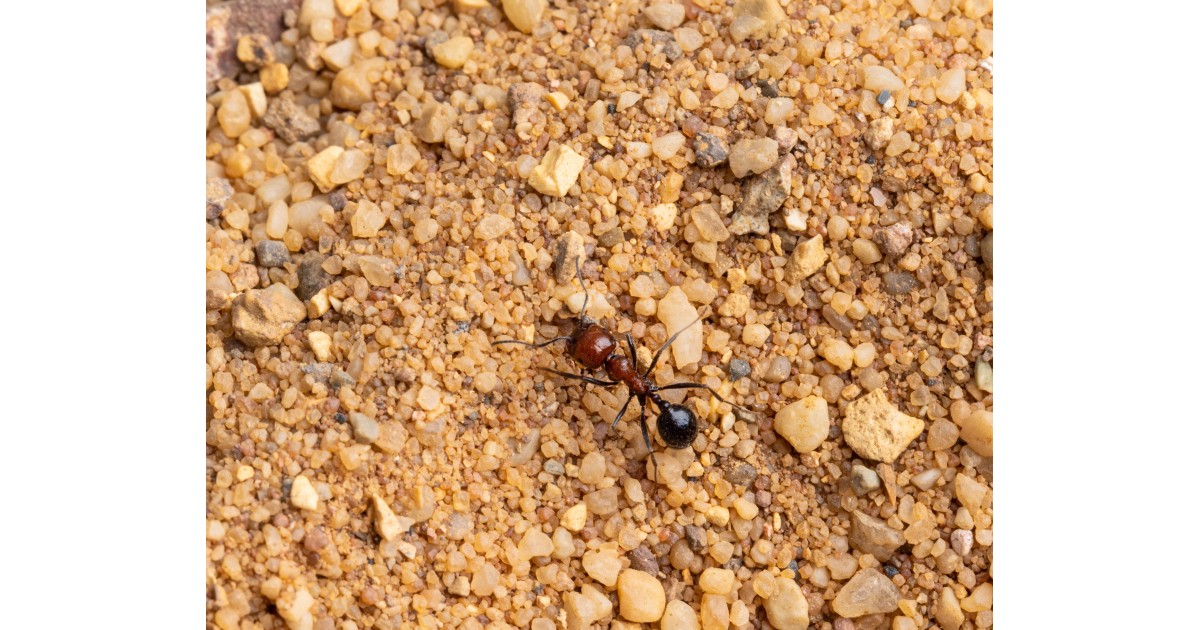
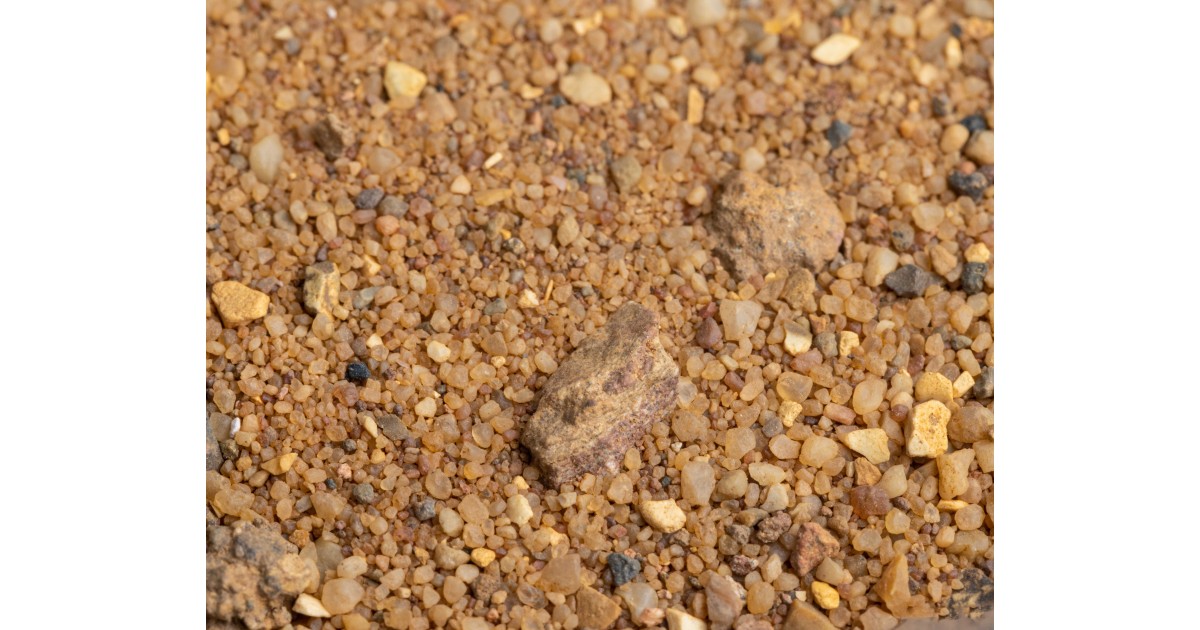
Substrate with stones and sand, Cataglyphis or desert ants need this substrate for their foraging, as do species from very dry climates.
€4.99
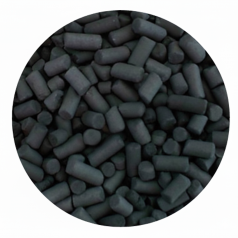
Activated carbon is a porous material produced from carbon-rich organic materials, such as coconut shells, wood, or peat. Through an activation process, these materials become extremely porous, increasing their absorption surface area. This microscopic structure allows it to trap and retain molecules.