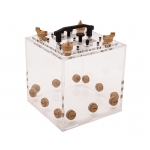
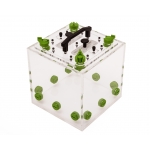
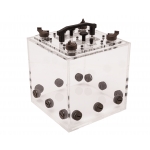
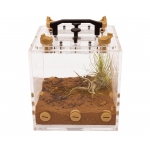
Gaia Scout - 17x17x20cms Home

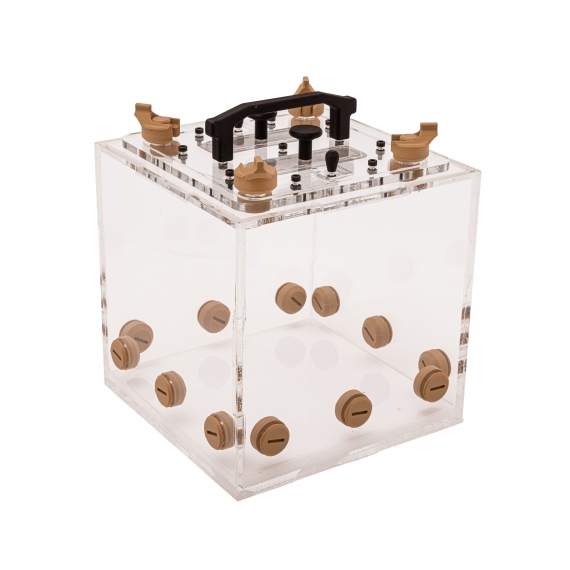
Gaia Scout - 17x17x20cms

€54.99
Tax included
Color inferior
Color tapa

Qbik


QBIK GAIA

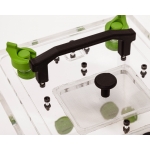
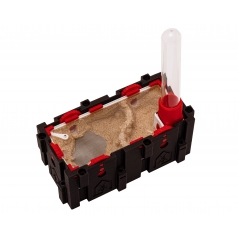
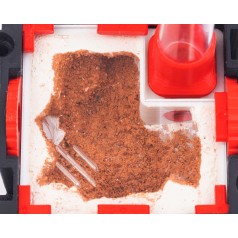
QBIK GAIA is much more than an ant nest. It is the world's first modular system that allows you to recreate different natural biomes inside the nest, adapting the habitat to the needs of each species.

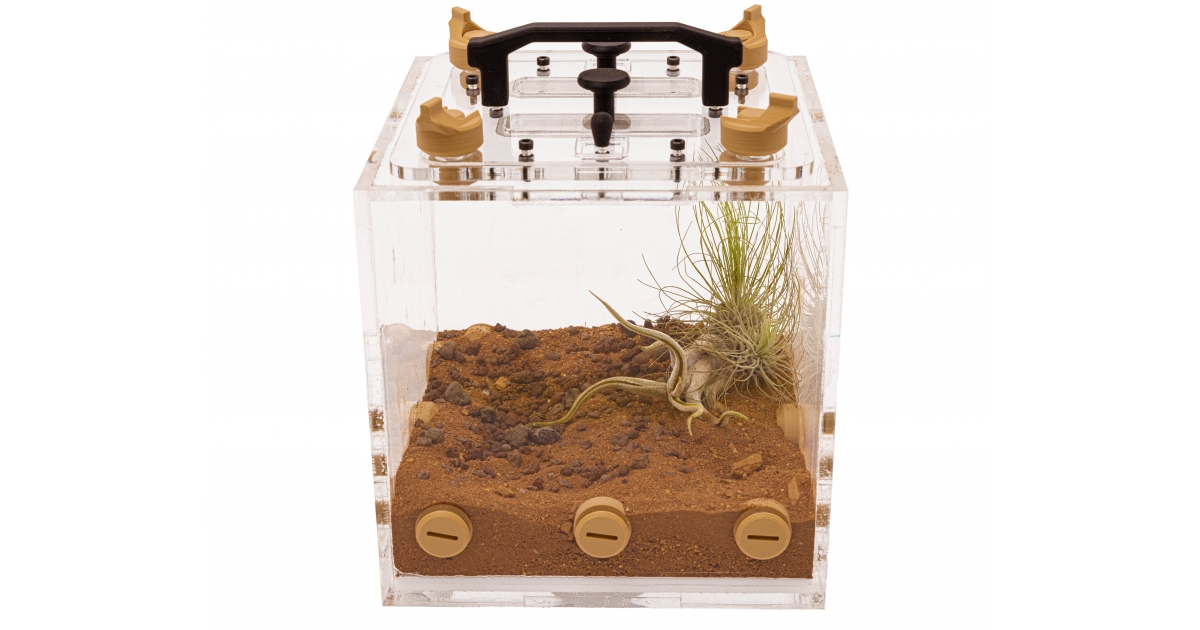
Its innovative design lets you choose between creating spacious foraging areas or turning the setup into a true bioactive terrarium, where plants, mosses, microfauna and ants coexist in balance.

QBIK GAIA combines technology, modularity and nature to offer one of Anthouse's most ambitious systems for myrmecology enthusiasts.

CHOOSE BETWEEN A FORAGING AREA OR AN ENTIRE BIOME

Designed for you and for them

GAIA has been designed with one clear idea in mind: to give the keeper freedom of choice.

On our website you will find ready-to-use predefined configurations. But if you enjoy creating your own setups, you can also design your own version, adjusted exactly to your taste and needs.

To start, you can choose between two models:

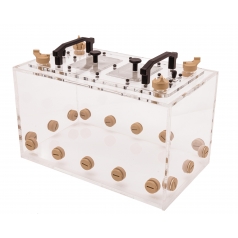
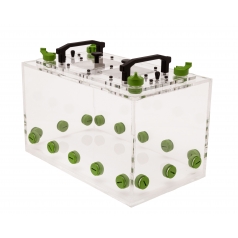
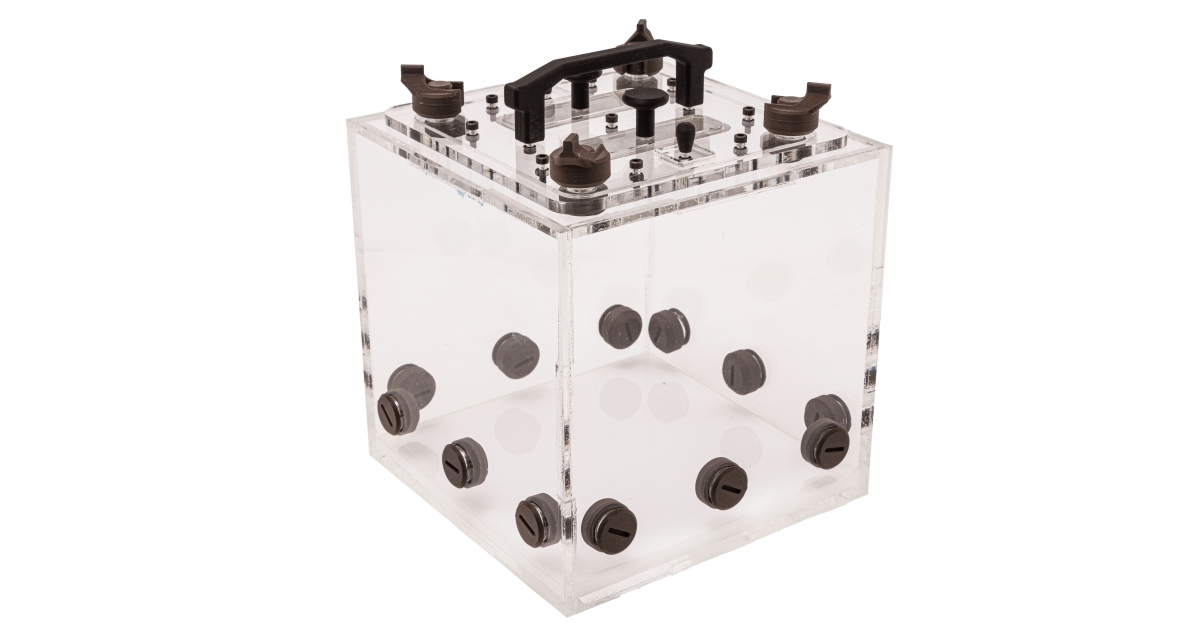
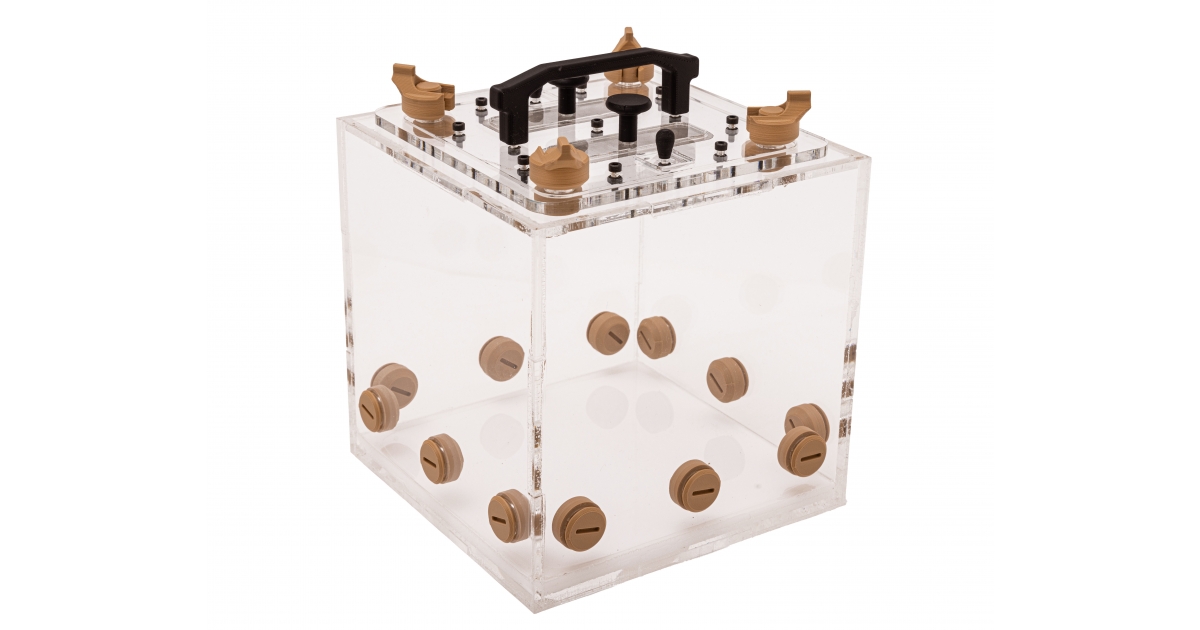
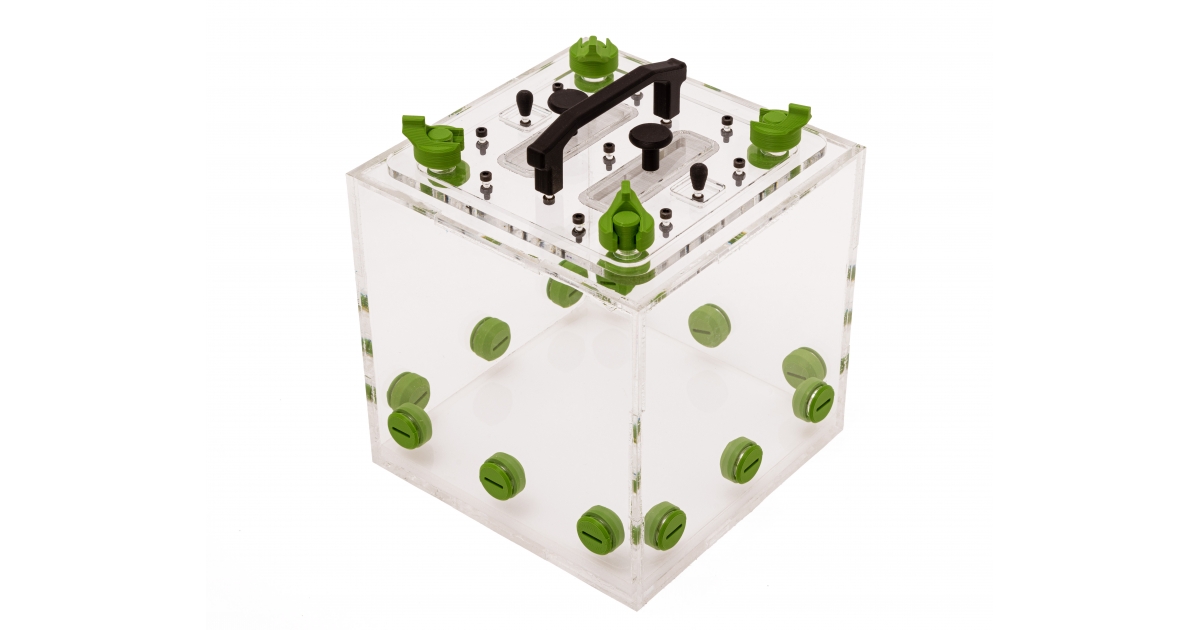
  • QBIK SCOUT, our smallest Gaia. We recommend using it as a foraging area. Decorate it as a biome and let your ants become true explorers.

  • QBIK GAIA, the complete version, designed to create a natural, stable and visually spectacular habitat.

They all share the same advantages:


✅ A full panoramic view from any angle.
✅ A secure airtight closing system.
✅ AIR lids, allowing ventilation to be regulated like never before.
✅ And, of course, full compatibility with the Anthouse QBIK modular ecosystem.

One of the greatest advantages of QBIK GAIA is its versatility. You can use it simply as a large foraging area or turn it into a true bioactive terrarium with plants, mosses, microfauna and natural decoration.

QBIK GAIA BIOME CONFIGURATION

Not all ants live in the same way, which is why at Anthouse we have created 6 biome packs designed to reproduce the natural environment of each species. This allows your colonies to feel at home from day one, achieving 100% adaptation through the recreation of their original ecosystem.

Each pack is designed with several layers that ensure a perfect balance between humidity, stability and oxygenation, maintaining a healthy and long-lasting environment. You decide whether you want a more superficial decorative setup or a complete terrarium with the depth and stability of a real ecosystem.

Each pack includes the following layers:

  • Drainage and oxygenation layer, to keep the base stable and prevent waterlogging.

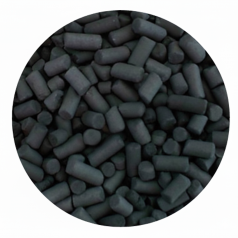
  • Filtration layer, with activated carbon when required by the biome.

  • Main substrate layer, adapted to the humidity and texture needs of each environment.

  • Decorative or bioactive layer, with leaves, bark, moss or natural elements depending on the biome.

AVAILABLE BIOMES

Each pack is designed so you do not have to worry about anything: simply choose the biome most similar to the place of origin of your ants and set up your GAIA. You will obtain a living, stable and beautiful ecosystem where your colonies will feel at home.

GAIA is not just an ant nest: it is the chance to travel the world through your colonies.

Inspiration: Warm deserts of Africa, southern Europe and Australia.
Climate: Very sunny, shallow soil, extreme temperatures. Low humidity (soil 0–10%, air 10–25%), pH 7.5–8.5.
Recommended species: Cataglyphis spp., desert Camponotus, Myrmecia spp.
Substrate: Drainage and oxygenation (clay + volcanic gravel), optional activated carbon filtration, main substrate (Dragon Sand + Colorado Sand). No bioactive layer.
Setup: Decorative or complete, ideal for species adapted to dry environments.

Inspiration: Forests and shrublands of southern Europe and semi-arid Mediterranean regions.
Climate: Moderately dry soils, warm summers, soil humidity 30–40%, air humidity 30–50%, pH 6–7.5.
Recommended species: Crematogaster scutellaris, Aphaenogaster spp., Pheidole spp., Mediterranean Camponotus.
Substrate: Drainage and oxygenation (clay + volcanic gravel), activated carbon filtration, main substrate (Dragon Sand + Wild Soil).
Setup: Decorative or complete, with dry leaves, bark and natural stones.

Inspiration: Amazon rainforests, Southeast Asia and Central America.
Climate: Very humid and warm, soil rich in organic matter. Soil humidity 70–85%, air humidity 80–95%, pH 5.5–6.5.
Recommended species: Tropical ants and ponerines.
Substrate: Drainage and oxygenation (perlite + vermiculite + clay), optional activated carbon filtration, main substrate (Jungle Soil + Wild Soil), bioactive layer (dry leaves, sphagnum).
Setup: Decorative or complete, with stability and support for digging and nesting.
Decoration: Logs, roots, moist bark, mosses, ferns and tropical plants.

Inspiration: Semi-arid regions of Australia, tropical Africa and subtropical South America.
Climate: Dry, with temporary humid areas. Variable soil humidity, air humidity 30–60%, pH 7–8.
Recommended species: Carebara spp., tropical Pheidole.
Substrate: Drainage and oxygenation (clay + volcanic gravel), optional activated carbon filtration, main substrate (Dragon Sand + Desert Sand). No bioactive layer.
Setup: Decorative or complete, suitable for species from seasonal warm environments.

Inspiration: Forests of central Europe, northeastern America and temperate Asia.
Climate: Moderate humidity, marked seasons. Soil humidity 40–60%, air humidity 50–70%, pH 5.5–6.5.
Recommended species: Camponotus ligniperda, Myrmica, Formica, Temnothorax.
Substrate: Drainage and oxygenation (perlite + vermiculite + clay), optional activated carbon filtration, main substrate (Wild Soil + Jungle Soil), bioactive layer with bark and dry leaves.
Setup: Decorative or complete, recreating a realistic temperate forest floor.

Inspiration: Coniferous and deciduous forests of central Europe and temperate Asia.
Climate: Humid and dry areas, marked seasons. Soil humidity 40–65%, air humidity 50–75%, pH 5.5–6.5.
Recommended species: Camponotus herculeanus, Formica rufa, Lasius, Tetramorium.
Substrate: Drainage and oxygenation (perlite + vermiculite + clay), optional activated carbon filtration, main substrate (Wild Soil + Jungle Soil), with deciduous leaves and pine needles.
Setup: Decorative or complete, ideal for woodland species.

BiomeClimate and ConditionsSubstrate and SetupDecoration / VegetationRecommended species
Arid / Semi-desert ????️Very sunny, shallow soil, extreme temperatures. Low humidity 0–10%.Fine sand and gravel substrate. Optional: drainage layer and activated carbon. Decorative or complete setup.Stones, dry trunks, bark, dry leaves. Optional plants: succulents, rosemary, lavender.Cataglyphis spp., Camponotus desert, Myrmecia spp.
Mediterranean Forest ????Moderately dry, warm summers. Soil humidity 30–40%, air humidity 30–50%.Drainage and volcanic gravel. Dragon Sand + Wild Soil substrate. Decorative or complete setup.Stones, bark and dry leaves. Plants: rosemary, lavender, thyme, small succulents.Crematogaster, Aphaenogaster, Pheidole, Camponotus Mediterranean
Tropical Rainforest ????Very humid and warm. Soil humidity 70–85%, air humidity 80–95%.Organic-rich substrate. Drainage + bioactive layers with dry leaves and sphagnum.Logs, roots, moist bark. Plants: mosses, ferns, fittonias, peperomia.Amazonian, African and Asian tropical ants
Tropical Steppes ????Dry climate with temporary humid areas. Variable humidity, pH 7–8.Sand and gravel substrate. Decorative or complete setup for intensive digging.Stones, dry branches, loose leaves. Almost no vegetation.Carebara, Pheidole tropical
Temperate Deciduous Forest ????Moderate humidity, marked seasons. Fertile soil, pH 5.5–6.5.Wild Soil + Jungle Soil substrate, with bark and dry leaves. Decorative or complete setup.Logs, branches, dry leaves. Plants: mosses, ferns, ivy.Camponotus ligniperda, Myrmica, Formica, Temnothorax
Palearctic Mixed Forest ????Balanced climate, marked seasons. Medium humidity, acidic soils.Wild Soil + Jungle Soil substrate, with deciduous leaves and needles. Decorative or complete setup.Logs, branches, bark. Plants: mosses, ferns, small conifers.Camponotus herculeanus, Formica rufa, Lasius, Tetramorium
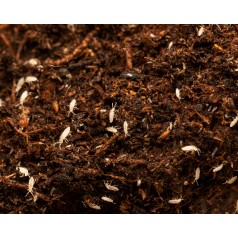
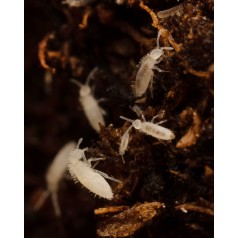
Note: All packs include inert organic and inorganic materials (sand, dry leaves, bark, stones, etc.). Live fauna and flora (mosses, plants, springtails) are purchased separately if you want a bioactive terrarium.

CUSTOMIZE YOUR GAIA

Placed in the substrate, they help you monitor whether the soil becomes acidic or alkaline over time. Knowing the pH allows you to adjust substrates, organic matter or watering frequency to avoid health problems in plants or microfauna.

They measure humidity and temperature in real time. For tropical biomes, where humidity must remain high, or for arid biomes, where dryness is essential, reliable readings help you anticipate adjustments and maintain optimal conditions without guesswork.

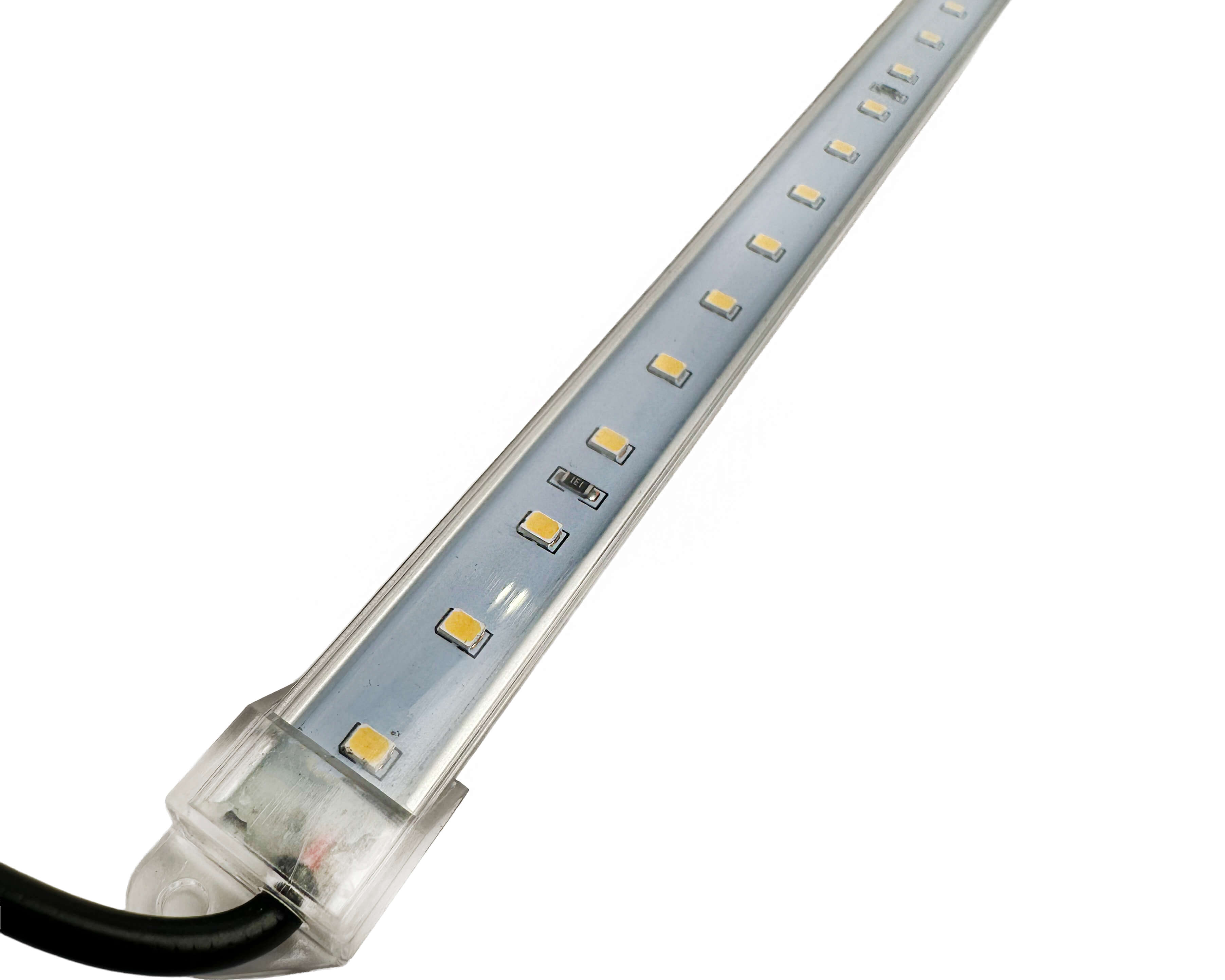
Recreates natural light variations — sunrise, full day, sunset and night — enhancing the appearance of the terrarium, helping plants follow their rhythm and encouraging natural behaviour in ants. Especially useful if you want your GAIA to be visibly alive both day and night.

From aesthetic connectors (vines, walkways, trunks) to maintenance parts (gaskets, spare lids, extra locks). Having spare parts and accessories on hand extends the life of the system and prevents maintenance interruptions.

COMPATIBLE WITH ALL QBIK SYSTEMS

A modular, safe and practical construction

User experience matters just as much as appearance. GAIA inherits the QBIK philosophy: modularity that is easy to assemble, safety for your pets and convenience for everyday use.

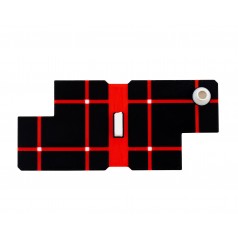
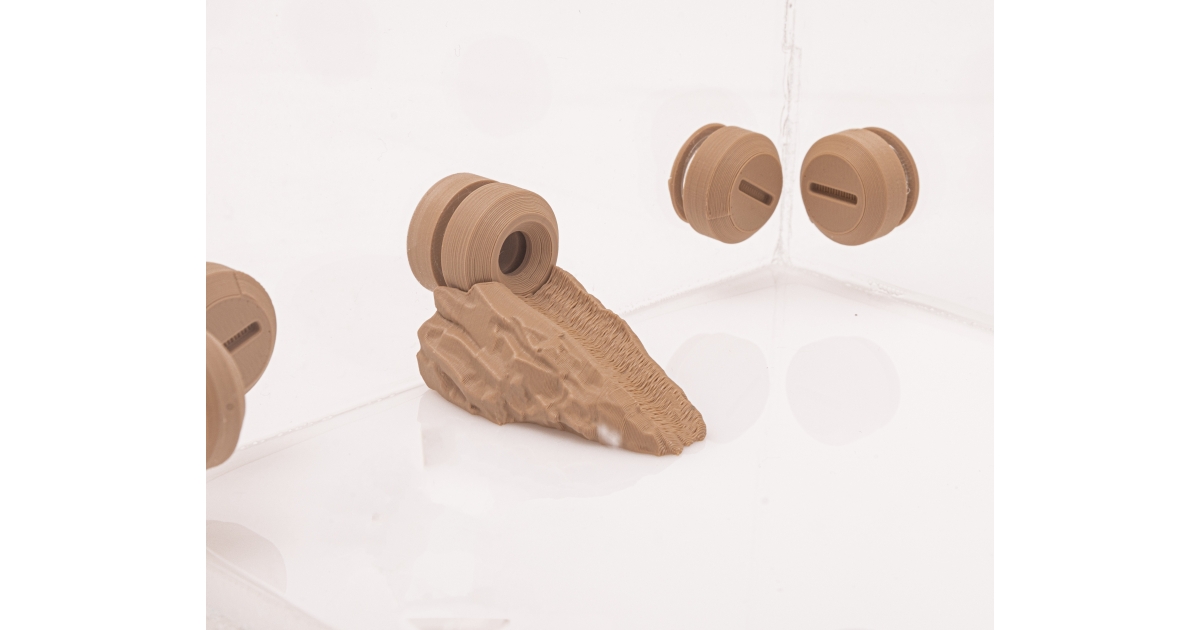
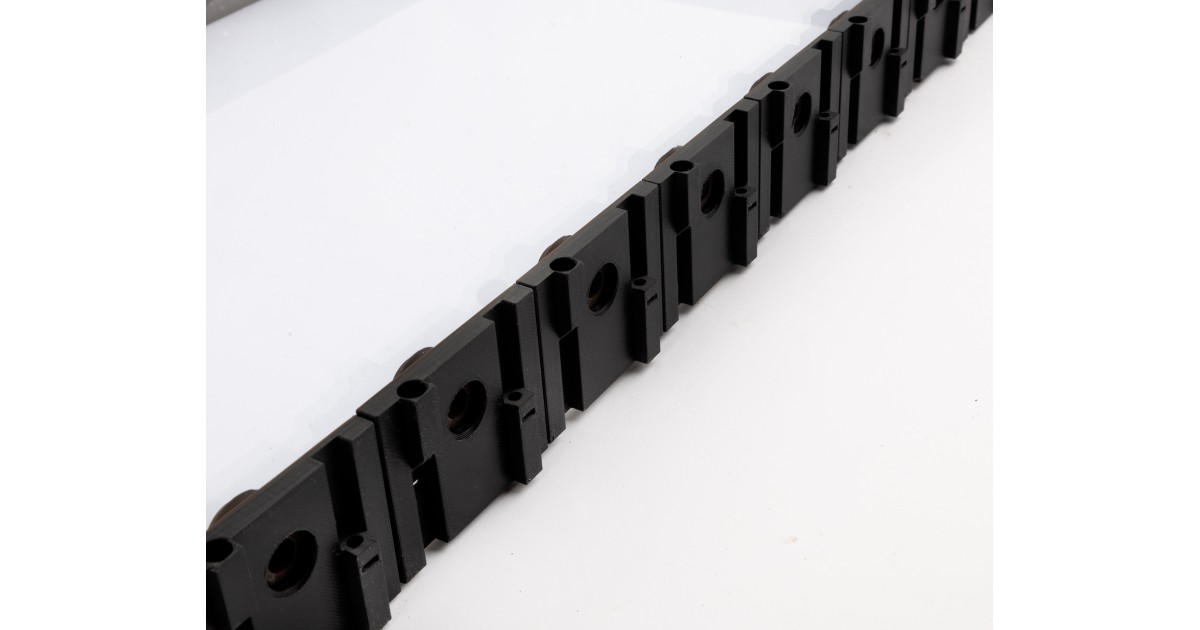
  • Intuitive assembly: lids and adapters fit together using male/female parts designed for precise connection. This makes it easy to connect GAIA with other QBIK modules (ALPHA, EMPIRE, WILD) and create natural routes between nests, foraging areas and terrariums.

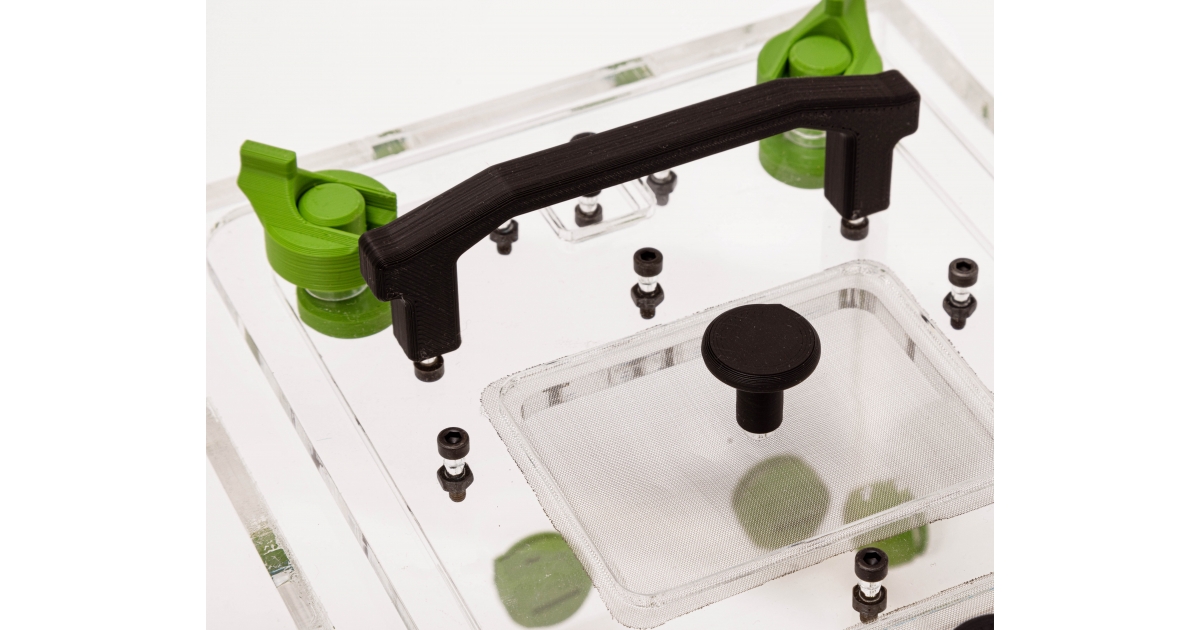
  • Closures and safety: the main lid features an airtight closing system and locks that hold it firmly in place, designed to prevent escapes and preserve the microclimate. Ideal if you have children at home or simply want peace of mind.

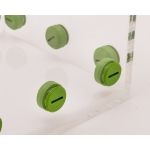
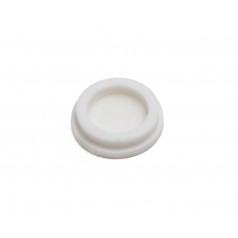
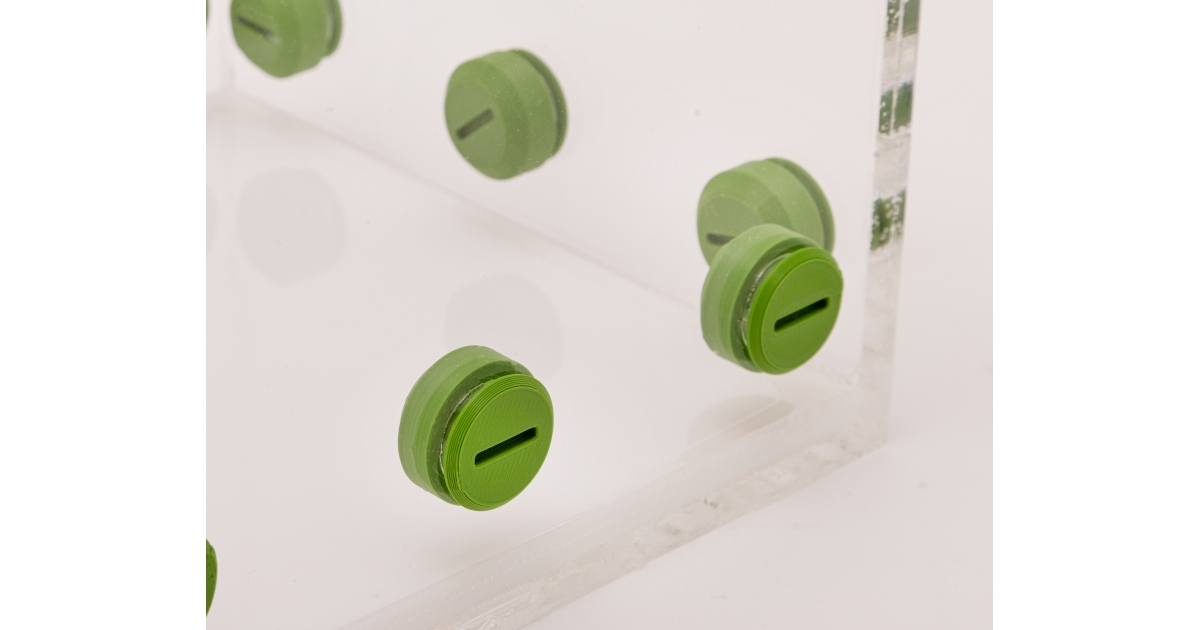
  • Quick-access mini lids: two small lids allow you to feed or inspect the interior without removing the main lid. A practical solution for daily routines: less handling, less stress for the colonies.

  • Integrated AIR lid: precise ventilation control. With GAIA, it is no longer just “ventilate or not”; you regulate airflow for each biome: more flow for arid conditions, less for humid biomes that need to retain moisture.

  • Functional aesthetics: in addition to being practical, modularity allows decorative elements to be added (connectors for vines, walkways, ramps), turning GAIA into a space that is as attractive as it is functional.

995 Items

Customers who bought this product also bought:

Product added to wishlist