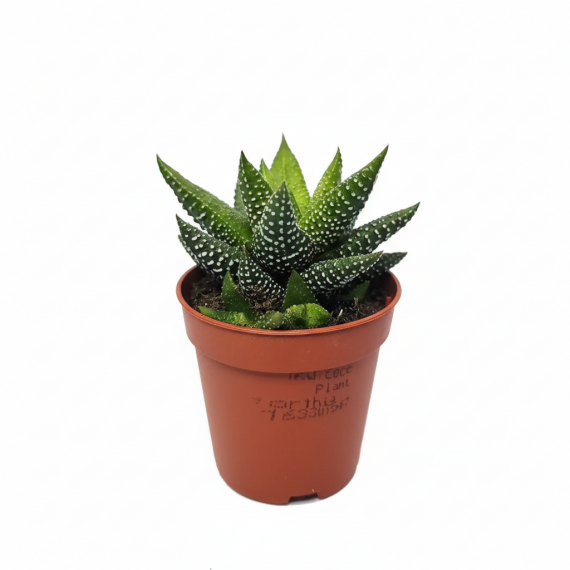
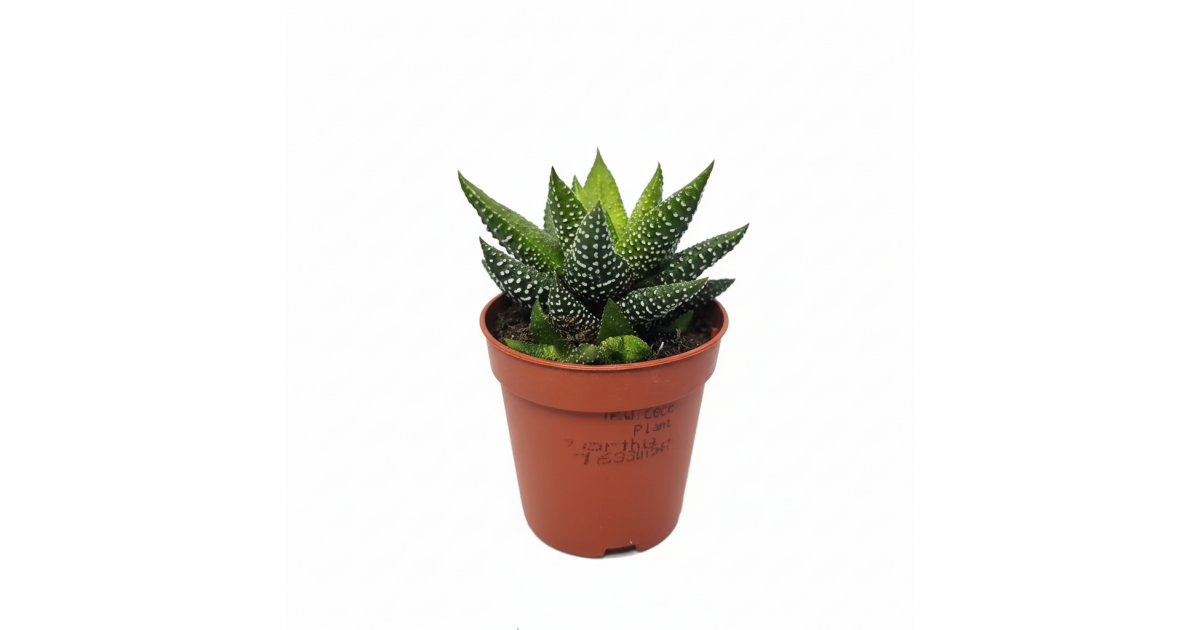
Haworthiopsis attenuata
Exhausted
€2.99
Tax included
Haworthiopsis attenuata, formerly known as Haworthia reinwardtii, is a succulent plant belonging to the Asphodelaceae family. This species is native to South Africa and has become popular in gardening due to its attractive appearance and ease of care.
Customers who bought this product also bought:
Home
€4.99
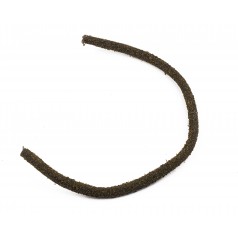
Natural Liana, so that ants can climb different types of angles and heights.
Food
€1.49
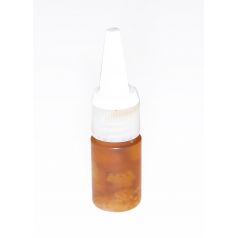
Contents: 10 mlThe product is a mixture of different types of honey and sugar.
Home
€36.49
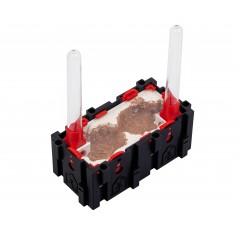
QBIK WILD is the definitive system where the configuration of natural materials converges with the existing modular and adaptive capacity.These anthills allow the best conditions to be obtained from the founding of the colony (with only the queen) until obtaining a developed anthill with thousands of workers.
Food
€0.85
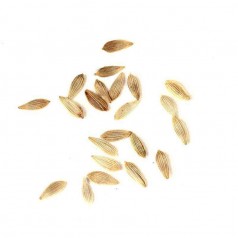
Lettuce Seeds are an authentic delight for granivorous ants, being a great complement to their food.Granivorous species such as those of the genus Messor, Goniomma, Tetramorium, etc.
€0.74
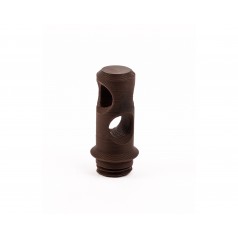
The Female Threaded Outlet is used to attach the connector to the Gaia system.
€2.49
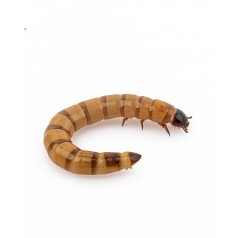
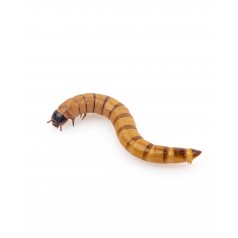
Contains: 20 g of mealworms (Zophoba Morio). It is a good supplement, which our ants will hunt well.
Home
€0.99
The Male Thread Outlet is used to attach the connector to the Gaia system.
Home
€0.99
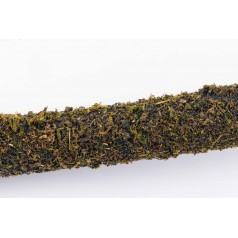
Substrate necessary to increase the humidity of our anthills, also being an ideal place for springtails (waste cleaners) to hide and breed in it.
We ship ONLY 1 COLONY or queen and ONLY 1 SPECIES per order or ant's nest, so you must choose correctly the one you want. We do not charge for the ants. They are FREE. You only have to pay for the shipping costs.
Free Ants
€0.00
The colony is formed by the queen, 3-5 workers (its children) and eggs, larvae and cocoons.
Instructions about the breeding of Camponotus...